Energy-Efficient House Cladding: Costs, Insulation Benefits, and Savings
Installing energy-efficient house cladding involves initial costs that vary depending on the type of material chosen. While the upfront expenses may be higher than traditional cladding options, the long-term savings potential can outweigh the initial investment. Let’s explore the costs associated with energy-efficient house cladding in more detail.
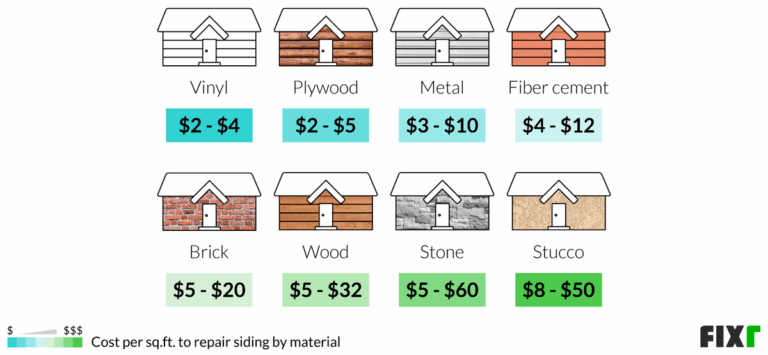
When considering energy-efficient house cladding, it’s essential to explore different material options and their cost variances. Here are some examples of energy-efficient cladding materials and their associated costs:
Each of these materials offers unique benefits in terms of energy efficiency and cost-effectiveness, allowing homeowners to choose the option that best fits their budget and preferences.
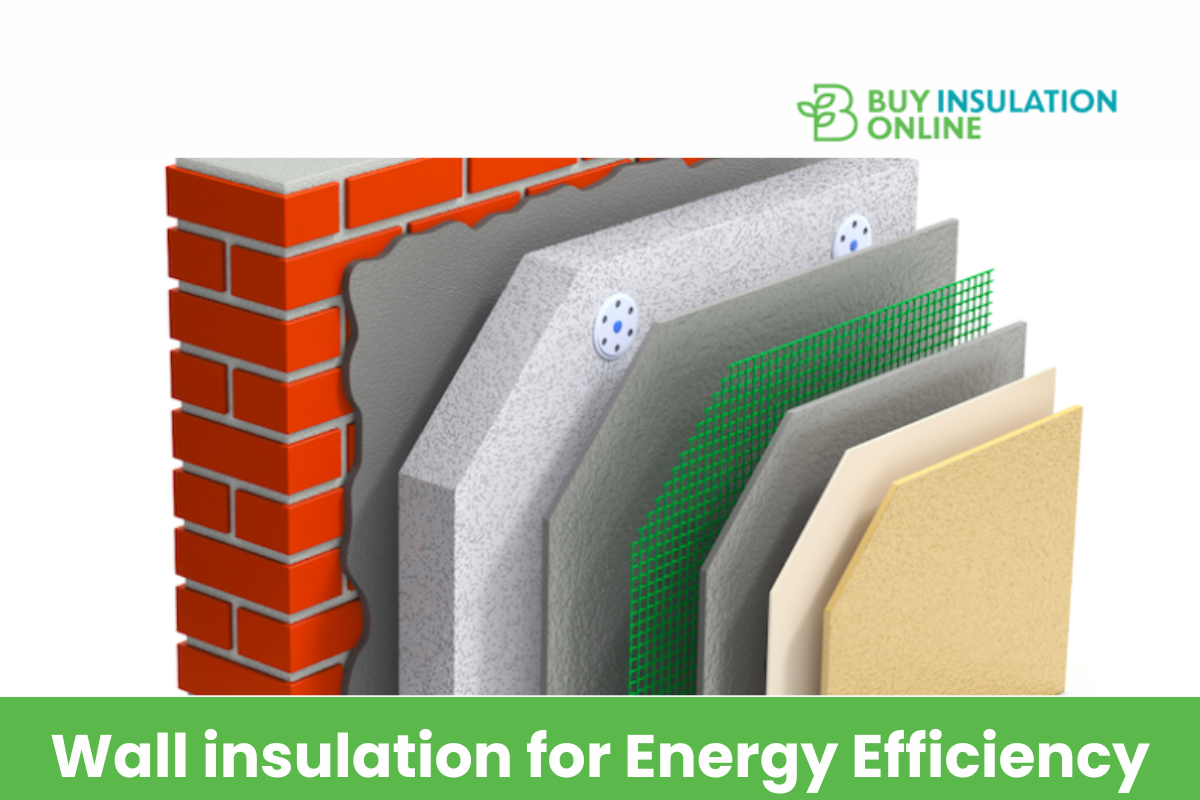
When it comes to energy-efficient house cladding, one of the key benefits is the improvement in insulation that it provides for a home. This enhanced insulation plays a vital role in reducing energy consumption and creating a more comfortable indoor environment.Energy-efficient cladding helps to create a thermal barrier around the house, preventing heat transfer between the interior and exterior.
This means that during hot summers, the cool air inside the house remains trapped, while in cold winters, the warmth is retained. As a result, the need for heating and cooling systems is reduced, leading to lower energy bills and a decreased carbon footprint.
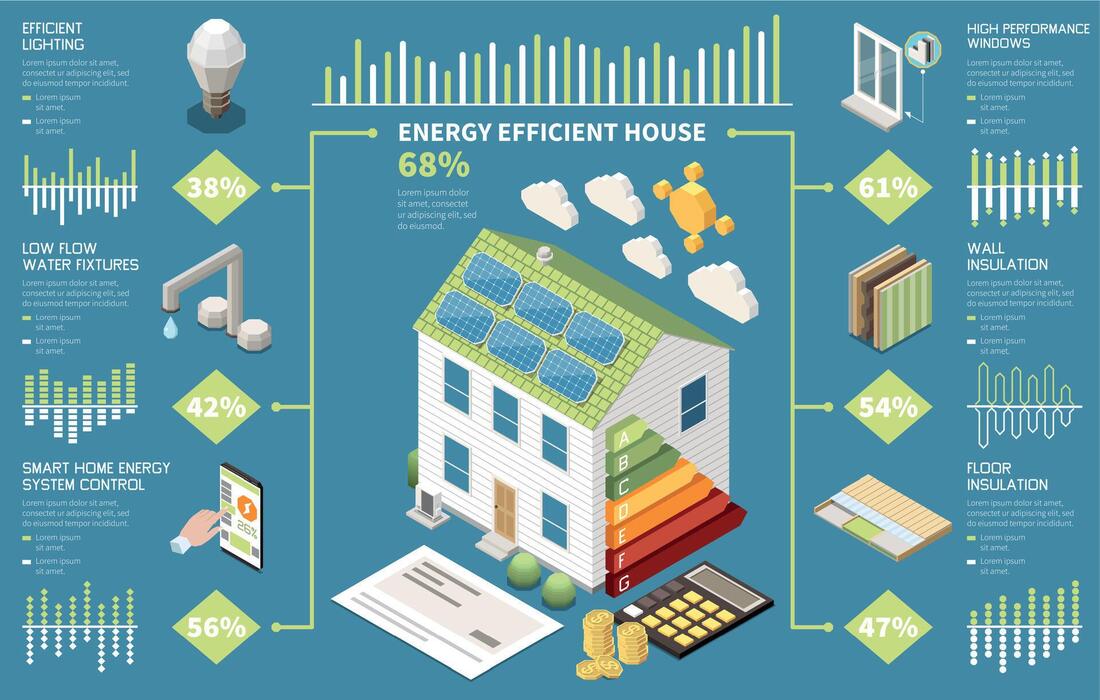
Energy-efficient house cladding not only provides insulation benefits but also leads to significant savings in energy costs in the long run.
Energy-efficient house cladding can result in a substantial reduction in heating and cooling costs. By minimizing heat transfer through walls, the need for constant heating or cooling is reduced, leading to lower energy consumption.
Many homeowners have reported significant savings after installing energy-efficient house cladding. For instance, a family in a colder climate saw a decrease of 20% in their heating bills after upgrading to energy-efficient cladding. Similarly, another homeowner in a warmer region experienced a 15% reduction in cooling costs during the summer months.
What are the upfront costs of installing energy-efficient cladding?
The initial costs can vary based on the type of material chosen, but typically range from X to Y per square foot.
How does energy-efficient cladding improve insulation in a home?
Energy-efficient cladding creates a thermal barrier that prevents heat loss in winter and heat gain in summer, resulting in reduced energy consumption.
Can you provide examples of energy-efficient cladding materials and their cost differences?
Popular options include vinyl, fiber cement, and wood cladding, each with varying costs and insulation properties.
What kind of energy savings can one expect from using energy-efficient cladding?
By reducing energy consumption for heating and cooling, homeowners can save up to 20% or more on their utility bills annually.
Are there real-life examples of homeowners experiencing significant savings after installing energy-efficient cladding?
Yes, many homeowners have reported noticeable reductions in their energy bills after upgrading to energy-efficient cladding, showcasing the tangible benefits of this investment.