Siding Labor Cost in 2026: What Contractors Charge for Installation
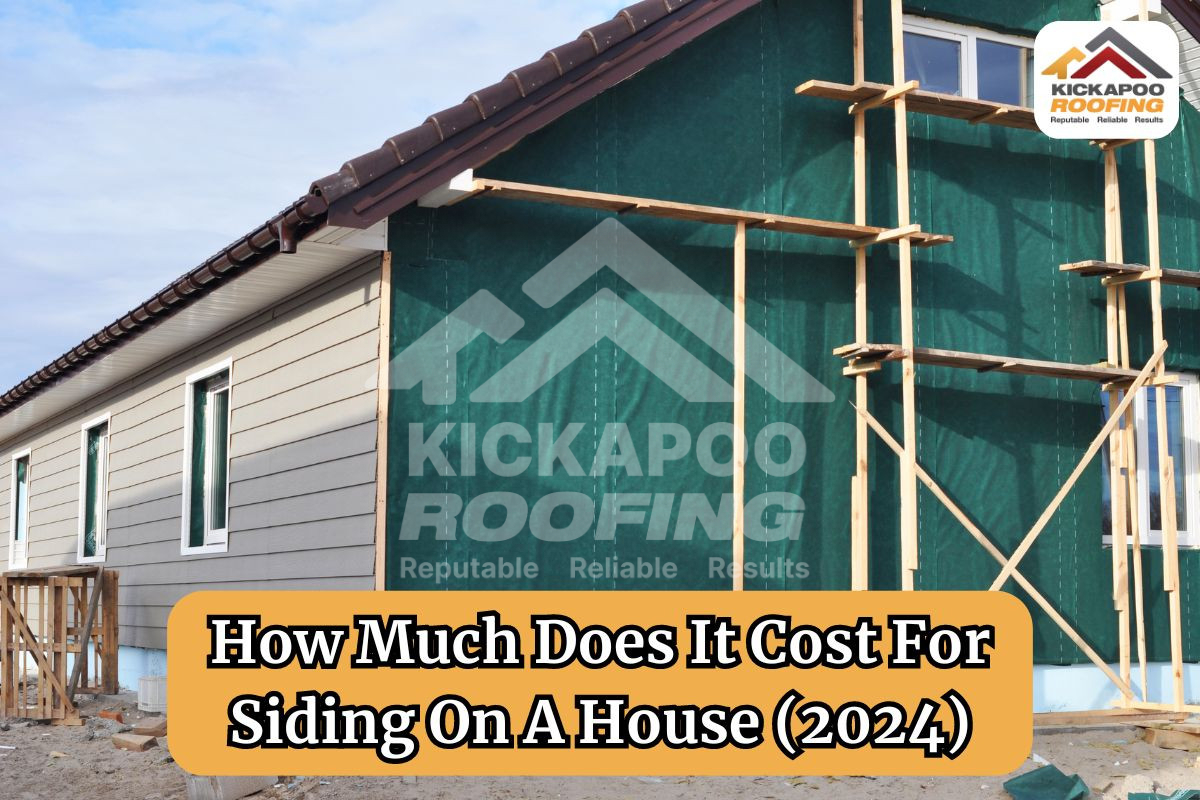
When it comes to determining siding labor costs in 2026, several factors can play a significant role in influencing the final price homeowners may pay for installation. Understanding these factors is essential for both contractors and homeowners seeking to budget for siding projects.
The cost of siding materials can directly impact labor costs for installation. Fluctuations in material prices due to supply chain issues, changes in tariffs, or market demand can affect the overall cost of the project. Contractors may adjust their labor pricing in response to these material cost changes to maintain their profit margins.
The geographical location of a project and the demand for contractors in that area can also influence siding labor costs. In regions with a high demand for siding installation services and a limited number of contractors available, labor costs may be higher due to increased competition among homeowners vying for services.
Conversely, in areas with lower demand or a surplus of contractors, labor costs may be more competitive.
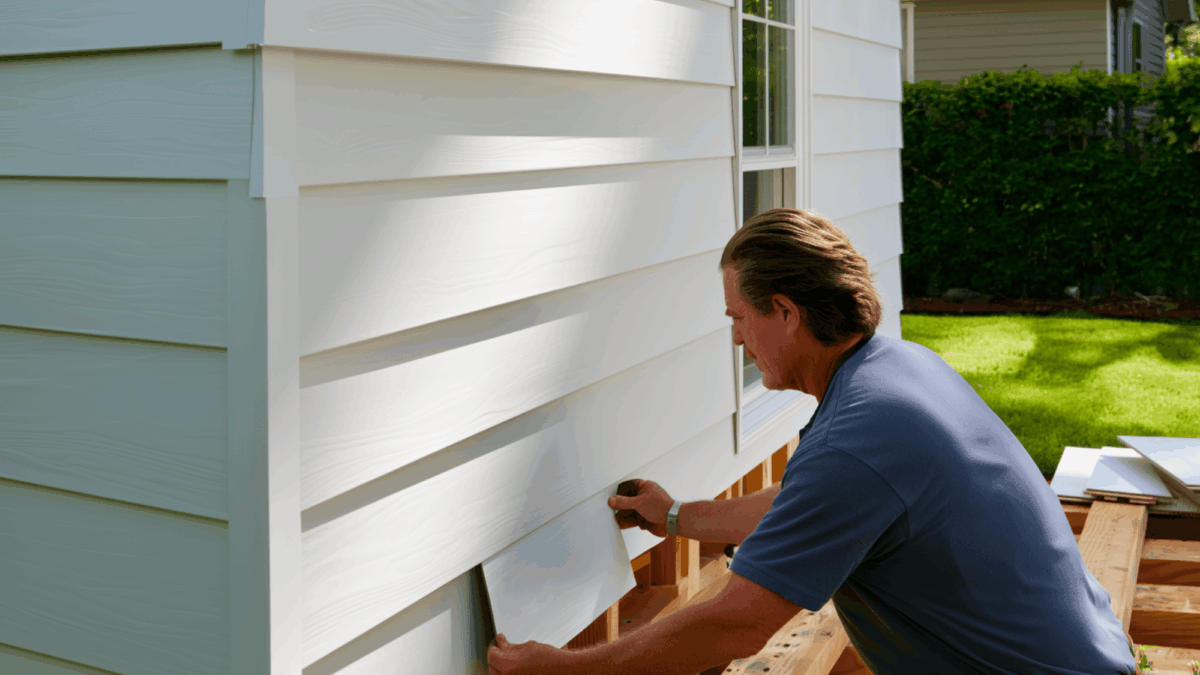
The labor costs associated with siding installation are subject to various trends that impact pricing in 2026. These trends reflect changes in the industry, advancements in technology, and shifts in material preferences.
Technological advancements have the potential to streamline the siding installation process, reducing labor hours and increasing efficiency. For example, the use of specialized equipment such as robotic arms or automated tools can lead to faster installation times, ultimately driving down labor costs.
Contractors who invest in these technologies may be able to offer competitive pricing compared to those relying on traditional methods.
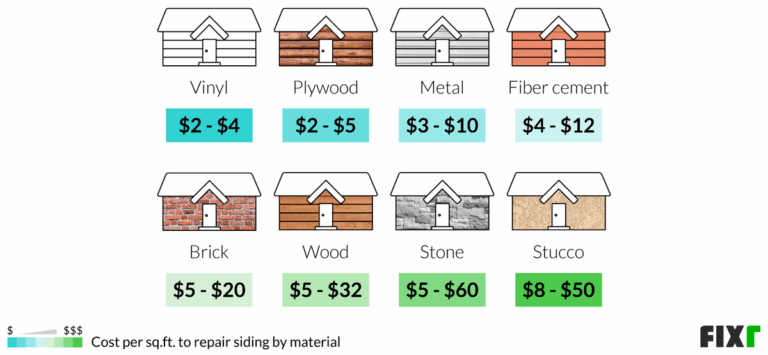
Different types of siding materials come with varying labor costs due to factors such as installation complexity, material weight, and required expertise. For instance, fiber cement siding may require more intricate installation techniques compared to vinyl siding, leading to higher labor costs.
Additionally, natural wood siding may demand specialized skills for proper installation, further impacting labor expenses. Understanding these cost differentials can help homeowners make informed decisions based on their budget and preferences.
In 2026, the average siding labor costs can vary significantly based on geographical location. Factors such as demand, cost of living, and availability of skilled labor can influence the pricing in different regions.
Significant differences in labor pricing can be observed across regions due to factors such as cost of living, competition among contractors, and local regulations. For example, urban areas with higher living costs may have higher labor rates compared to rural areas.
Additionally, regions with a higher demand for siding installation services may see higher labor costs due to increased competition among contractors.
In the siding industry, labor costs can vary significantly depending on the type of material being installed. Different siding materials require varying levels of expertise, time, and effort, which directly impact the overall labor costs associated with installation. Let’s delve into the differences in labor requirements for various types of siding and how they affect pricing.
Wood siding is known for its natural beauty and charm, but it also requires a high level of skill and precision during installation. The labor costs for wood siding are often higher due to the need for careful handling and maintenance.
Additionally, the complexity of cutting and fitting wood siding properly can increase the time needed for installation, further driving up labor expenses.
Vinyl siding is a popular and cost-effective option that requires less labor compared to wood siding. The installation process for vinyl siding is relatively straightforward, leading to lower labor costs. The lightweight nature of vinyl siding also makes it easier and quicker to install, resulting in savings on labor expenses.
Fiber cement siding is a durable and low-maintenance option that falls somewhere between wood and vinyl in terms of labor costs. The installation of fiber cement siding involves handling heavier materials and may require specialized tools, increasing labor expenses compared to vinyl siding.
However, the longevity and durability of fiber cement siding can offset these initial costs in the long run.
Brick siding is a premium option that commands higher labor costs due to its weight, complexity, and the expertise required for installation. The labor-intensive process of laying bricks meticulously and ensuring proper alignment can significantly raise the overall labor expenses.
However, the timeless appeal and durability of brick siding make it a desirable choice for many homeowners despite the higher upfront costs.
Metal siding, such as aluminum or steel, offers a modern and sleek aesthetic but may require specialized knowledge for installation. The labor costs for metal siding can vary depending on the type of metal used, the intricacy of the design, and any additional insulation requirements.
Proper handling and installation techniques are crucial to ensure the longevity and performance of metal siding, which can impact labor pricing.
What are the key factors influencing siding labor costs in 2026?
Factors such as material prices, location, and demand for contractors can significantly impact siding labor costs in 2026.
How do technological advancements affect siding labor costs?
Technological advancements can streamline installation processes, potentially reducing labor costs in the long run.
Are there significant differences in labor pricing based on geographical location?
Yes, labor pricing can vary based on geographical location due to factors like local demand and cost of living.
What types of siding materials have the highest labor costs?
Siding materials that require intricate installation processes or specialized skills may have higher labor costs.
How does the complexity of installation impact labor pricing?
Complex installations typically require more time and expertise, leading to higher labor costs compared to simpler projects.